Alumni Impact

Discover where our alumni go next and how their expertise shapes safer, sustainable communities worldwide.
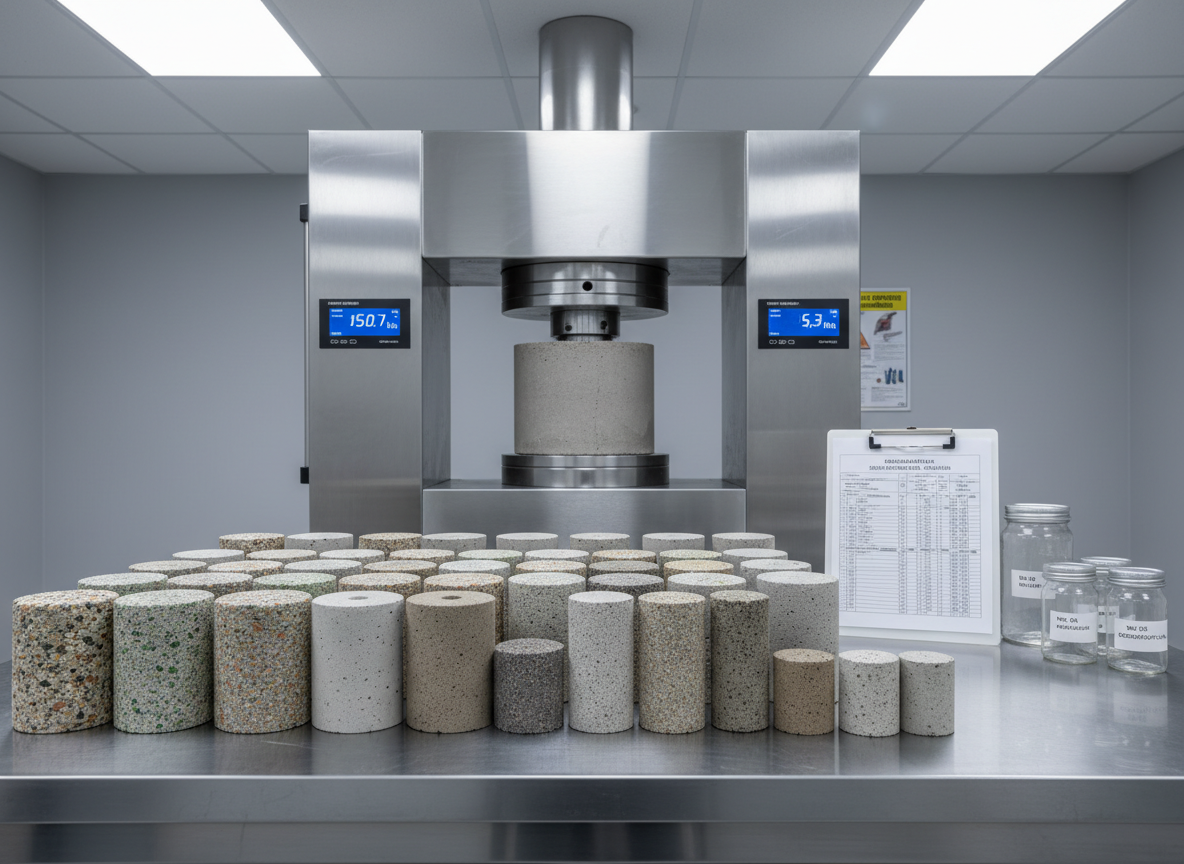
A highly detailed laboratory setup for testing sustainable concrete mixtures, featuring pristine cylindrical concrete specimens of varying textures and aggregate sizes arranged on a stainless-steel bench. Behind them, a gleaming compression testing machine with brushed metal surfaces and digital readouts stands against a neutral gray wall. Clear, overhead laboratory lighting casts uniform, shadow-free illumination that reveals hairline patterns and fine pores in the concrete. A clipboard of printed test results and labeled sample containers sit neatly to the side. The mood is rigorously scientific and orderly. Photographic realism, composed with a centered perspective and moderate depth of field, keeps the specimens and machine in sharp focus while the background gently softens, emphasizing methodical research into safer, more durable, and low-carbon infrastructure materials.

Alumni Profiles

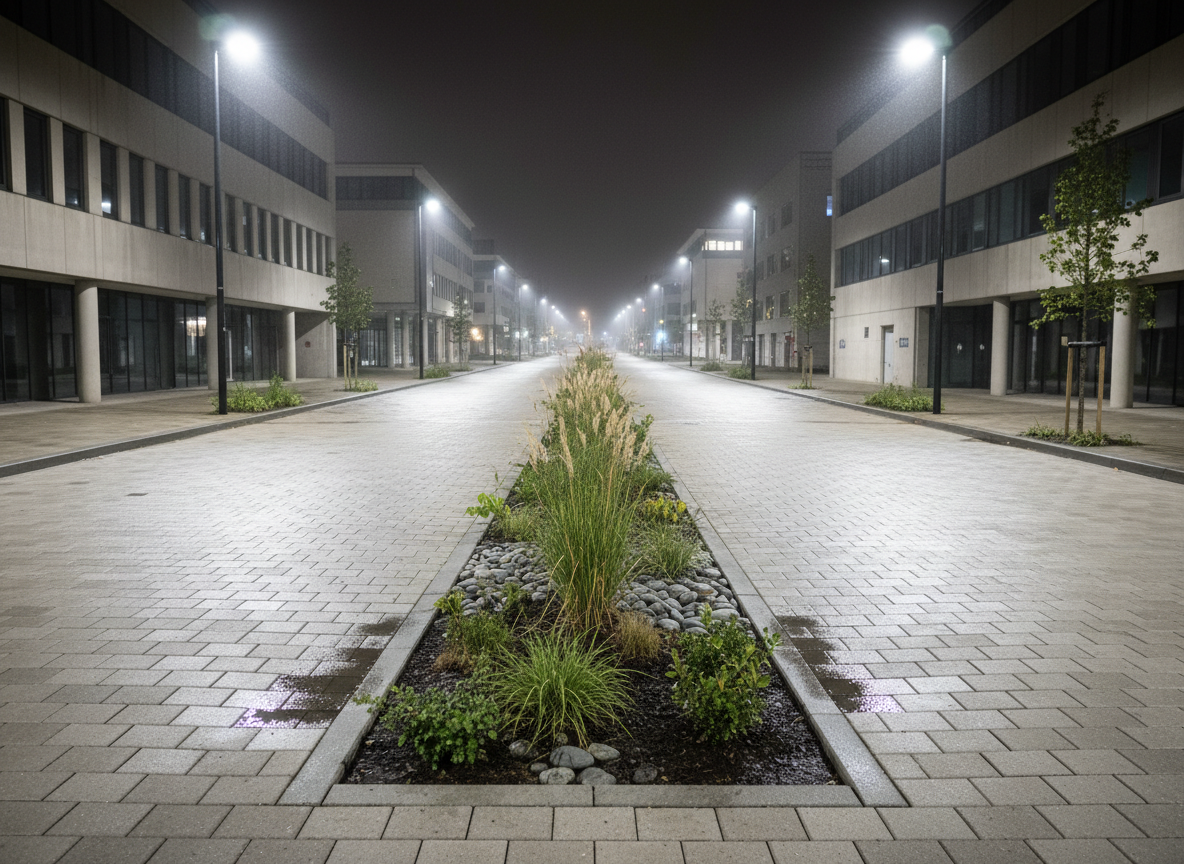
A nighttime scene of a resilient urban streetscape, rendered in photographic realism, showing a well-defined permeable roadway with interlocking, light-gray pavers and a central bioswale filled with grasses, small shrubs, and river stones. LED streetlights with a cool, white glow cast even illumination, creating crisp reflections on wet surfaces after a light rain. Subtle puddles drain toward the bioswale, illustrating stormwater management. In the distance, low-rise civic buildings with simple concrete facades and dark, reflective windows line the street. Captured from a slightly low angle at curb height with a deep depth of field, the image feels calm and secure, highlighting the integration of safety, sustainability, and climate-resilient infrastructure in a clean, modern urban setting.

Aarav Sharma

CEO

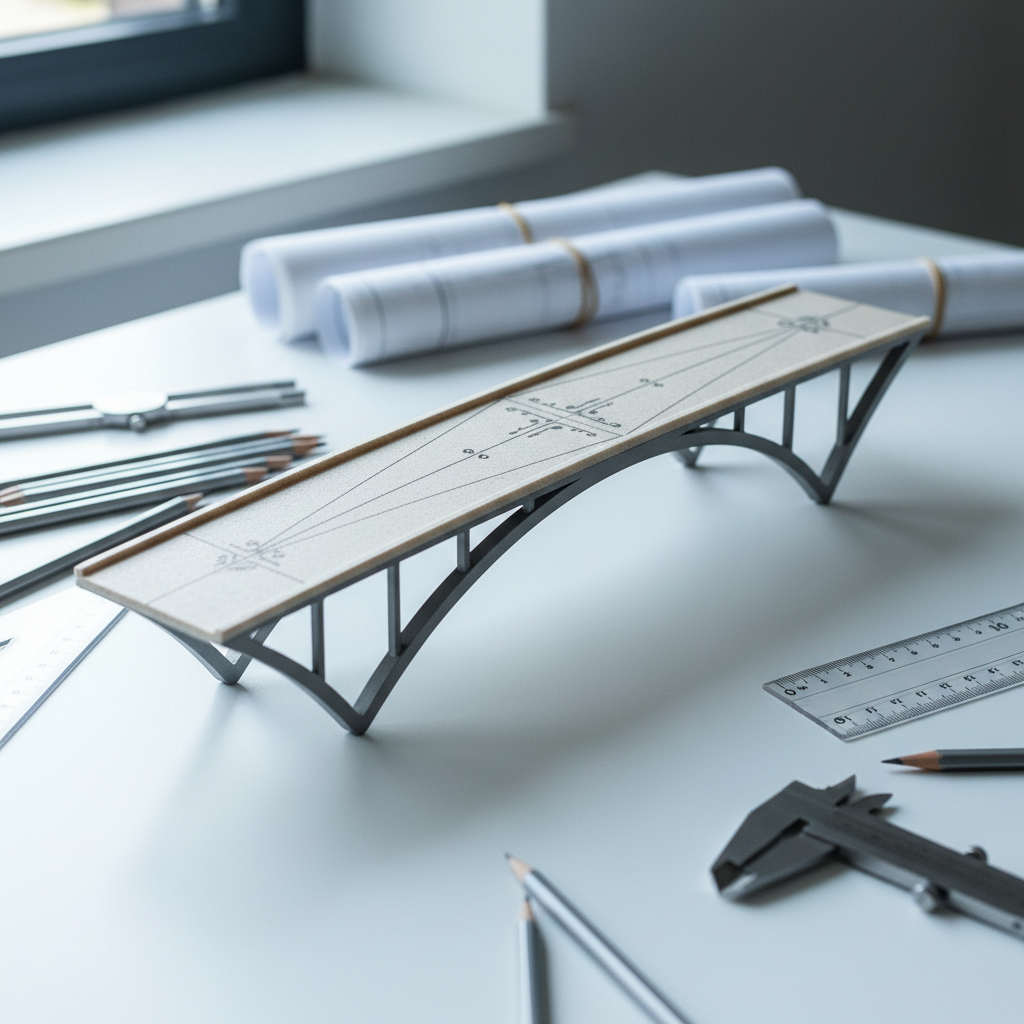
A close-up, photographic view of an intricately detailed scale model of a sustainable bridge, its deck made of pale, finely textured composite material and its arches rendered in smooth matte steel-gray. The model rests on a clean white drafting table surrounded by neatly arranged engineering tools: metal calipers, sharpened pencils, a transparent ruler, and rolled technical drawings. Cool, diffused daylight from a nearby window softly illuminates the scene, highlighting the engraved load-path lines and tiny embedded sensors on the bridge surface. Shot at eye level with a shallow depth of field, the bridge model is in crisp focus while background tools blur gently, creating a calm, analytical atmosphere that underscores precision, safety, and resilient design in a modern, professional photographic style.

Mateo García

CTO

A highly detailed laboratory setup for testing sustainable concrete mixtures, featuring pristine cylindrical concrete specimens of varying textures and aggregate sizes arranged on a stainless-steel bench. Behind them, a gleaming compression testing machine with brushed metal surfaces and digital readouts stands against a neutral gray wall. Clear, overhead laboratory lighting casts uniform, shadow-free illumination that reveals hairline patterns and fine pores in the concrete. A clipboard of printed test results and labeled sample containers sit neatly to the side. The mood is rigorously scientific and orderly. Photographic realism, composed with a centered perspective and moderate depth of field, keeps the specimens and machine in sharp focus while the background gently softens, emphasizing methodical research into safer, more durable, and low-carbon infrastructure materials.

Zuri Ndlovu

Developer

A nighttime scene of a resilient urban streetscape, rendered in photographic realism, showing a well-defined permeable roadway with interlocking, light-gray pavers and a central bioswale filled with grasses, small shrubs, and river stones. LED streetlights with a cool, white glow cast even illumination, creating crisp reflections on wet surfaces after a light rain. Subtle puddles drain toward the bioswale, illustrating stormwater management. In the distance, low-rise civic buildings with simple concrete facades and dark, reflective windows line the street. Captured from a slightly low angle at curb height with a deep depth of field, the image feels calm and secure, highlighting the integration of safety, sustainability, and climate-resilient infrastructure in a clean, modern urban setting.

Leila Haddad

Designer

A close-up, photographic view of an intricately detailed scale model of a sustainable bridge, its deck made of pale, finely textured composite material and its arches rendered in smooth matte steel-gray. The model rests on a clean white drafting table surrounded by neatly arranged engineering tools: metal calipers, sharpened pencils, a transparent ruler, and rolled technical drawings. Cool, diffused daylight from a nearby window softly illuminates the scene, highlighting the engraved load-path lines and tiny embedded sensors on the bridge surface. Shot at eye level with a shallow depth of field, the bridge model is in crisp focus while background tools blur gently, creating a calm, analytical atmosphere that underscores precision, safety, and resilient design in a modern, professional photographic style.

Hiroshi Tanaka

Marketing

A highly detailed laboratory setup for testing sustainable concrete mixtures, featuring pristine cylindrical concrete specimens of varying textures and aggregate sizes arranged on a stainless-steel bench. Behind them, a gleaming compression testing machine with brushed metal surfaces and digital readouts stands against a neutral gray wall. Clear, overhead laboratory lighting casts uniform, shadow-free illumination that reveals hairline patterns and fine pores in the concrete. A clipboard of printed test results and labeled sample containers sit neatly to the side. The mood is rigorously scientific and orderly. Photographic realism, composed with a centered perspective and moderate depth of field, keeps the specimens and machine in sharp focus while the background gently softens, emphasizing methodical research into safer, more durable, and low-carbon infrastructure materials.

Amara Okafor

Social

A nighttime scene of a resilient urban streetscape, rendered in photographic realism, showing a well-defined permeable roadway with interlocking, light-gray pavers and a central bioswale filled with grasses, small shrubs, and river stones. LED streetlights with a cool, white glow cast even illumination, creating crisp reflections on wet surfaces after a light rain. Subtle puddles drain toward the bioswale, illustrating stormwater management. In the distance, low-rise civic buildings with simple concrete facades and dark, reflective windows line the street. Captured from a slightly low angle at curb height with a deep depth of field, the image feels calm and secure, highlighting the integration of safety, sustainability, and climate-resilient infrastructure in a clean, modern urban setting.

My time in the group linked rigorous research with real projects, preparing me to tackle complex infrastructure challenges.

— Aya Nakamura

A close-up, photographic view of an intricately detailed scale model of a sustainable bridge, its deck made of pale, finely textured composite material and its arches rendered in smooth matte steel-gray. The model rests on a clean white drafting table surrounded by neatly arranged engineering tools: metal calipers, sharpened pencils, a transparent ruler, and rolled technical drawings. Cool, diffused daylight from a nearby window softly illuminates the scene, highlighting the engraved load-path lines and tiny embedded sensors on the bridge surface. Shot at eye level with a shallow depth of field, the bridge model is in crisp focus while background tools blur gently, creating a calm, analytical atmosphere that underscores precision, safety, and resilient design in a modern, professional photographic style.

Alumni

Graduates of the Woods Research Group lead in consulting, government, and academia, advancing sustainable, climate-resilient infrastructure and winning national awards for innovation, leadership, and public service.