Group Resources

Central hub for Woods Research Group policies, milestones, and support services for current graduate students.
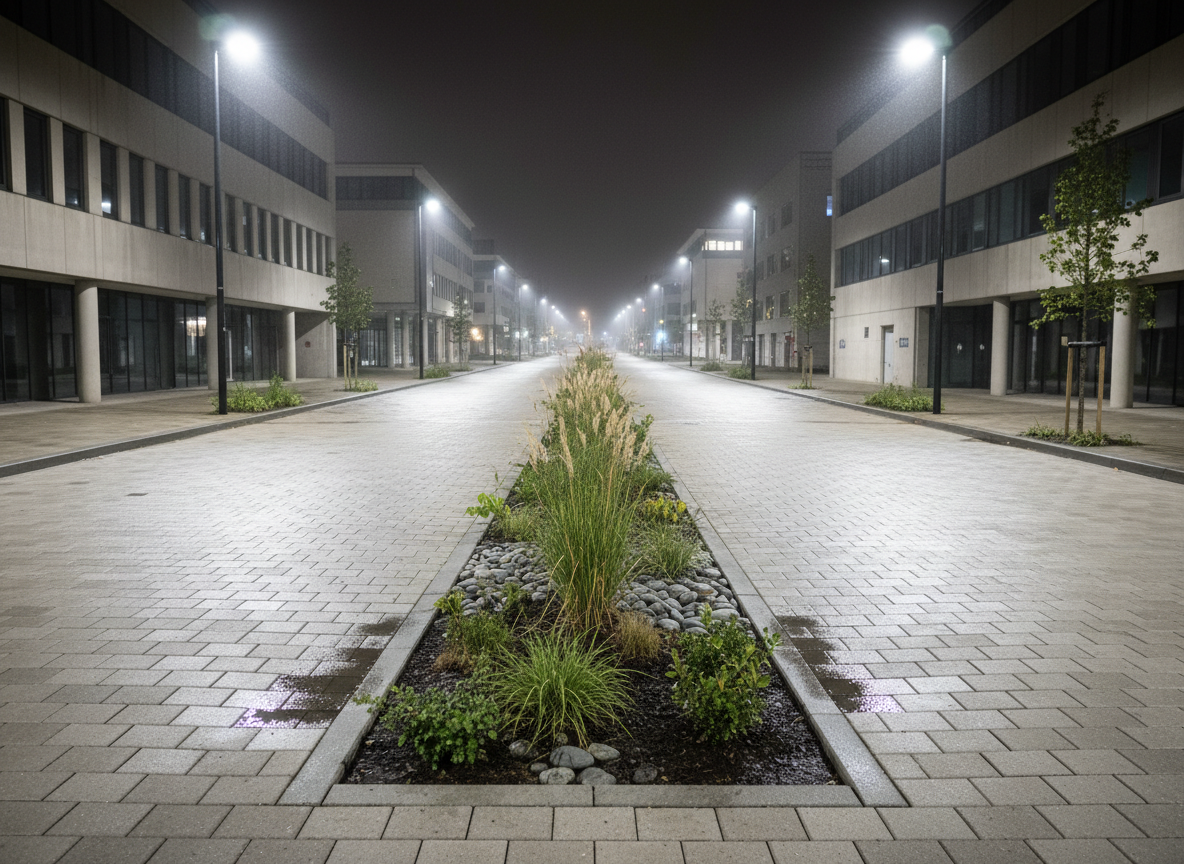
A nighttime scene of a resilient urban streetscape, rendered in photographic realism, showing a well-defined permeable roadway with interlocking, light-gray pavers and a central bioswale filled with grasses, small shrubs, and river stones. LED streetlights with a cool, white glow cast even illumination, creating crisp reflections on wet surfaces after a light rain. Subtle puddles drain toward the bioswale, illustrating stormwater management. In the distance, low-rise civic buildings with simple concrete facades and dark, reflective windows line the street. Captured from a slightly low angle at curb height with a deep depth of field, the image feels calm and secure, highlighting the integration of safety, sustainability, and climate-resilient infrastructure in a clean, modern urban setting.

Research Team

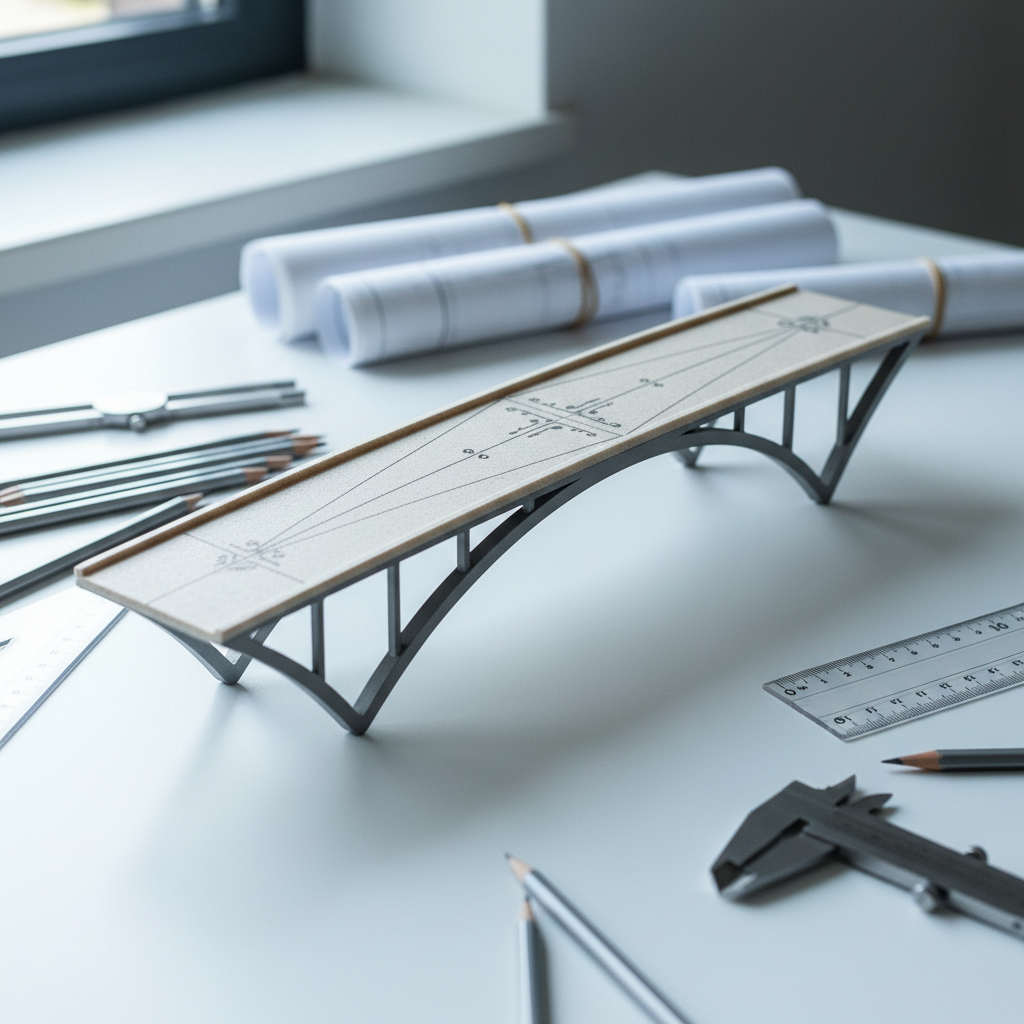
A close-up, photographic view of an intricately detailed scale model of a sustainable bridge, its deck made of pale, finely textured composite material and its arches rendered in smooth matte steel-gray. The model rests on a clean white drafting table surrounded by neatly arranged engineering tools: metal calipers, sharpened pencils, a transparent ruler, and rolled technical drawings. Cool, diffused daylight from a nearby window softly illuminates the scene, highlighting the engraved load-path lines and tiny embedded sensors on the bridge surface. Shot at eye level with a shallow depth of field, the bridge model is in crisp focus while background tools blur gently, creating a calm, analytical atmosphere that underscores precision, safety, and resilient design in a modern, professional photographic style.

Aarav Sharma

CEO

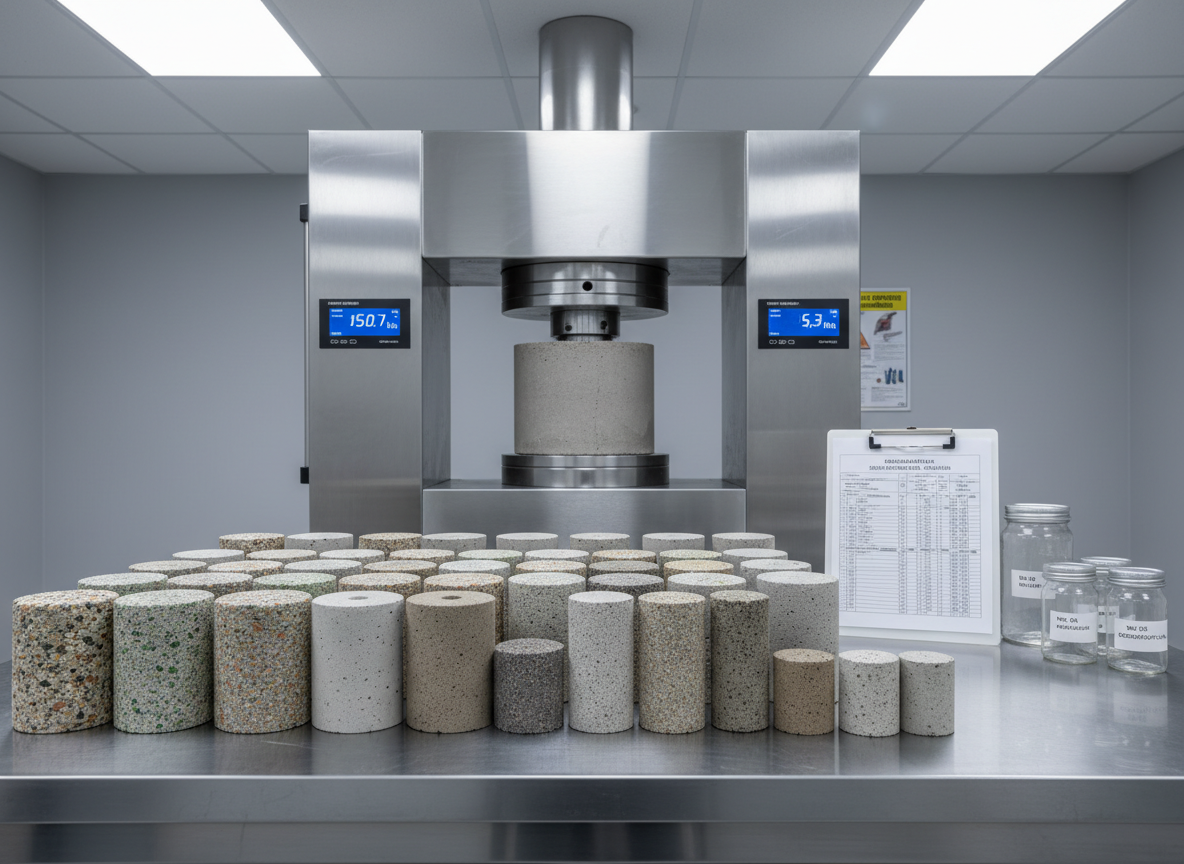
A highly detailed laboratory setup for testing sustainable concrete mixtures, featuring pristine cylindrical concrete specimens of varying textures and aggregate sizes arranged on a stainless-steel bench. Behind them, a gleaming compression testing machine with brushed metal surfaces and digital readouts stands against a neutral gray wall. Clear, overhead laboratory lighting casts uniform, shadow-free illumination that reveals hairline patterns and fine pores in the concrete. A clipboard of printed test results and labeled sample containers sit neatly to the side. The mood is rigorously scientific and orderly. Photographic realism, composed with a centered perspective and moderate depth of field, keeps the specimens and machine in sharp focus while the background gently softens, emphasizing methodical research into safer, more durable, and low-carbon infrastructure materials.

Mateo García

CTO

A nighttime scene of a resilient urban streetscape, rendered in photographic realism, showing a well-defined permeable roadway with interlocking, light-gray pavers and a central bioswale filled with grasses, small shrubs, and river stones. LED streetlights with a cool, white glow cast even illumination, creating crisp reflections on wet surfaces after a light rain. Subtle puddles drain toward the bioswale, illustrating stormwater management. In the distance, low-rise civic buildings with simple concrete facades and dark, reflective windows line the street. Captured from a slightly low angle at curb height with a deep depth of field, the image feels calm and secure, highlighting the integration of safety, sustainability, and climate-resilient infrastructure in a clean, modern urban setting.

Zuri Ndlovu

Developer

A close-up, photographic view of an intricately detailed scale model of a sustainable bridge, its deck made of pale, finely textured composite material and its arches rendered in smooth matte steel-gray. The model rests on a clean white drafting table surrounded by neatly arranged engineering tools: metal calipers, sharpened pencils, a transparent ruler, and rolled technical drawings. Cool, diffused daylight from a nearby window softly illuminates the scene, highlighting the engraved load-path lines and tiny embedded sensors on the bridge surface. Shot at eye level with a shallow depth of field, the bridge model is in crisp focus while background tools blur gently, creating a calm, analytical atmosphere that underscores precision, safety, and resilient design in a modern, professional photographic style.

Leila Haddad

Designer

A highly detailed laboratory setup for testing sustainable concrete mixtures, featuring pristine cylindrical concrete specimens of varying textures and aggregate sizes arranged on a stainless-steel bench. Behind them, a gleaming compression testing machine with brushed metal surfaces and digital readouts stands against a neutral gray wall. Clear, overhead laboratory lighting casts uniform, shadow-free illumination that reveals hairline patterns and fine pores in the concrete. A clipboard of printed test results and labeled sample containers sit neatly to the side. The mood is rigorously scientific and orderly. Photographic realism, composed with a centered perspective and moderate depth of field, keeps the specimens and machine in sharp focus while the background gently softens, emphasizing methodical research into safer, more durable, and low-carbon infrastructure materials.

Hiroshi Tanaka

Marketing

A nighttime scene of a resilient urban streetscape, rendered in photographic realism, showing a well-defined permeable roadway with interlocking, light-gray pavers and a central bioswale filled with grasses, small shrubs, and river stones. LED streetlights with a cool, white glow cast even illumination, creating crisp reflections on wet surfaces after a light rain. Subtle puddles drain toward the bioswale, illustrating stormwater management. In the distance, low-rise civic buildings with simple concrete facades and dark, reflective windows line the street. Captured from a slightly low angle at curb height with a deep depth of field, the image feels calm and secure, highlighting the integration of safety, sustainability, and climate-resilient infrastructure in a clean, modern urban setting.

Amara Okafor

Social

About

Resources for Woods Research Members

Access key information for the Woods Research Group, including program milestones, safety protocols, supervision expectations, and links to Civil Engineering and Queen’s University services. Current students can quickly find forms, policy documents, computing resources, and guidance on field and laboratory work, helping you focus more time on impactful research in sustainable, safe, and resilient infrastructure.

Contact

Current Woods group members can use this form to contact Prof. Woods about supervision or administrative questions.

Ellis Hall, Queen’s University, Kingston

← Back

Thank you for your response. ✨

A close-up, photographic view of an intricately detailed scale model of a sustainable bridge, its deck made of pale, finely textured composite material and its arches rendered in smooth matte steel-gray. The model rests on a clean white drafting table surrounded by neatly arranged engineering tools: metal calipers, sharpened pencils, a transparent ruler, and rolled technical drawings. Cool, diffused daylight from a nearby window softly illuminates the scene, highlighting the engraved load-path lines and tiny embedded sensors on the bridge surface. Shot at eye level with a shallow depth of field, the bridge model is in crisp focus while background tools blur gently, creating a calm, analytical atmosphere that underscores precision, safety, and resilient design in a modern, professional photographic style.